When Should You Replace Your Running Shoes? (And Why the Usual Advice Fails)
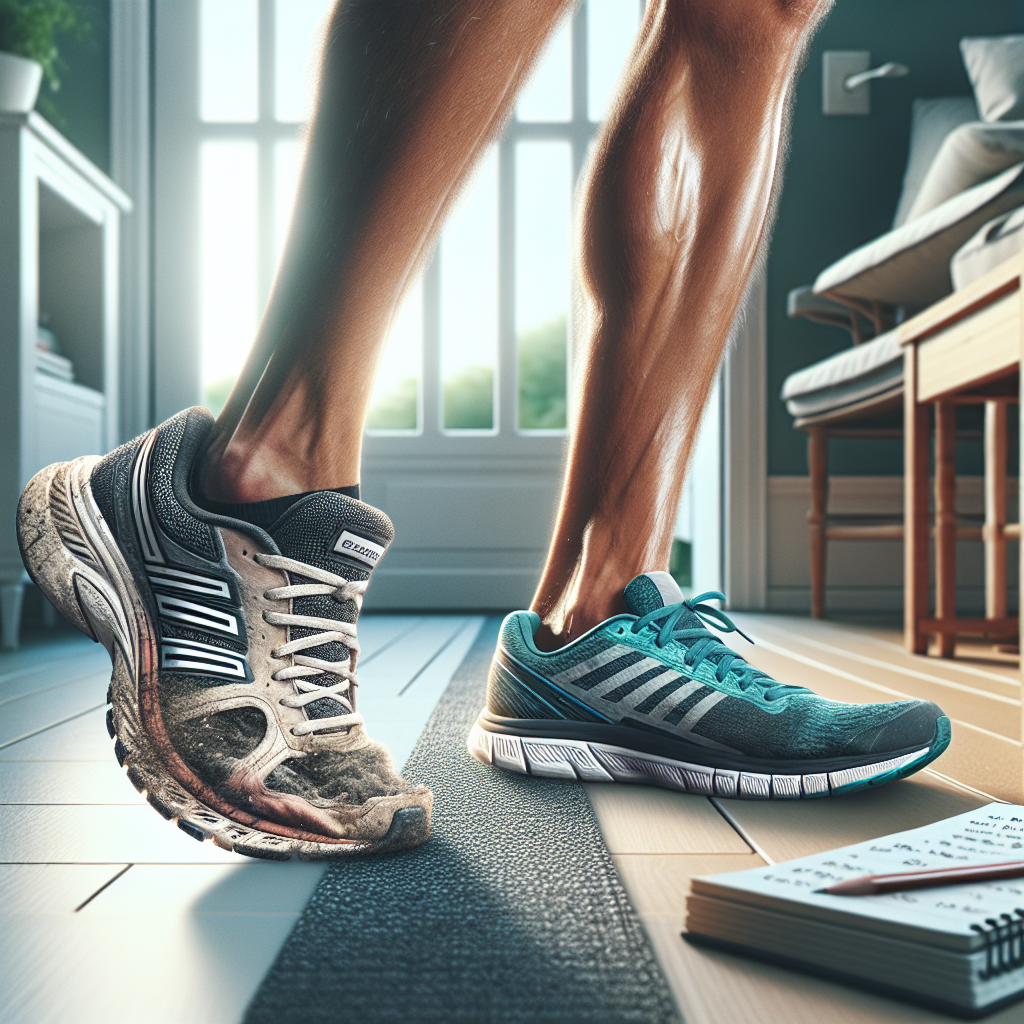
If you’ve ever Googled when to replace running shoes, you’ve probably seen the same answer everywhere: every 300–500 miles. It’s tidy. It’s memorable. And it’s often wrong—at least for the way real people run on real surfaces with real body quirks and inconsistent training schedules.
Let’s talk about a better approach: how to spot your shoe’s end-of-life based on performance, comfort, and injury risk—without turning your next run into a forensic investigation.
The 300–500 Mile Rule: Useful, But Not a Verdict
The mileage guideline isn’t useless. It’s just incomplete. Shoe foam doesn’t “expire” on a schedule; it breaks down based on variables like:
- Your size and weight (bigger runners compress midsoles faster)
- Your stride and impact pattern (hard heel strikers usually punish foam more)
- Where you run (rough asphalt and gravel chew up outsole rubber)
- How you rotate shoes (foam rebounds better with rest days)
- Heat and storage (hot cars and garages accelerate breakdown)
So yes, track mileage if you like. But if you want a replacement decision you can trust, pay attention to what your shoes are telling you.
3 Signs Your Running Shoes Are Past Their Prime
1) Your “Normal” Runs Start Feeling Weird
Not dramatic pain—just small changes you can’t ignore. Common examples:
- Hot spots under the ball of your foot
- Calves that feel unusually tight after an easy pace
- Knee or hip irritation that shows up only on longer runs
- A nagging ache that disappears when you switch to a different pair
This is often your first clue that cushioning has lost its rebound or your shoe is no longer guiding your foot the way it used to.
2) The Midsole Feels “Dead” (Even If It Looks Fine)
Modern running shoes can look presentable long after the foam has flattened. The midsole is the engine, and it can quietly lose its spring. If your shoes feel:
- Slappy (you hear more impact than before)
- Harsh on the same familiar routes
- Less responsive when you pick up the pace
…you’re likely running on a midsole that has stopped doing its job.
3) You’re Wearing the Outsole in One Spot
Flip the shoe over. Outsole wear is normal—but uneven wear matters. If one edge is noticeably smoother, or you’ve burned through rubber into foam, the shoe can start encouraging compensations that your ankles, knees, and hips will feel.
A quick check: place the shoes on a flat surface and look from behind. If one shoe leans or twists more than the other, it’s a hint that the structure is no longer stable.
A Quick Home Test: The “Compare Pair” Method
Want a surprisingly reliable test without specialized tools? Compare your current shoes to either:
- a newer version of the same model, or
- another pair you know feels good
Put on one shoe from each pair—yes, you’ll look ridiculous—and walk around the house. If the older shoe feels lower, flatter, or less stable, that’s real information. Your body can sense small differences even when your eyes can’t.
How Long Do Running Shoes Actually Last?
Instead of one blanket number, here are more realistic ranges, assuming regular road running:
- Lightweight trainers / racing flats: ~150–300 miles
- Daily trainers: ~300–500 miles
- Max-cushion shoes: ~300–600 miles (foam lasts longer for some runners, shorter for others)
- Trail shoes: ~250–500 miles (depends heavily on terrain and outsole)
But again: the best number is the one confirmed by how you feel on the run.
The Most Common Mistake: Waiting Until They Hurt
Many runners replace shoes only when something starts barking—then they treat the new pair like a cure. Sometimes that works. Sometimes the irritation has already become a habit.
A better strategy is to replace shoes when you notice a performance drop before you’re chasing pain around your body.
How to Make Shoes Last Longer (Without Babying Them)
Rotate Two Pairs
This isn’t about being fancy. Foam recovers better with time. If you alternate two pairs, each one gets a longer “rest,” and many runners find both pairs feel better for longer.
Don’t Store Them in Heat
Leaving shoes in a hot car is like slow-cooking the midsole. Store them indoors, away from heaters and direct sun.
Keep “Running Shoes” for Running
If your trainers become your errand shoes, they’ll break down faster—and unevenly. Retire old running shoes to casual duty only after you’re truly done running in them.
So… When Should You Replace Yours?
Replace your running shoes when at least two of these are true:
- Your easy runs feel noticeably harsher than they used to
- You’re getting small recurring aches that vanish in a different pair
- The outsole is unevenly worn or the shoe tilts on a flat surface
- You’ve logged a rough mileage range for your shoe type (not a magic number)
Running shoes aren’t supposed to last forever. But you also don’t need to toss them on a timer. Pay attention to feel, watch for patterns, and replace them as soon as your shoes stop helping you do the thing you bought them for: run comfortably.