Tag: seniors

When Should You Replace Your Running Shoes? (And Why the Usual Advice Fails)
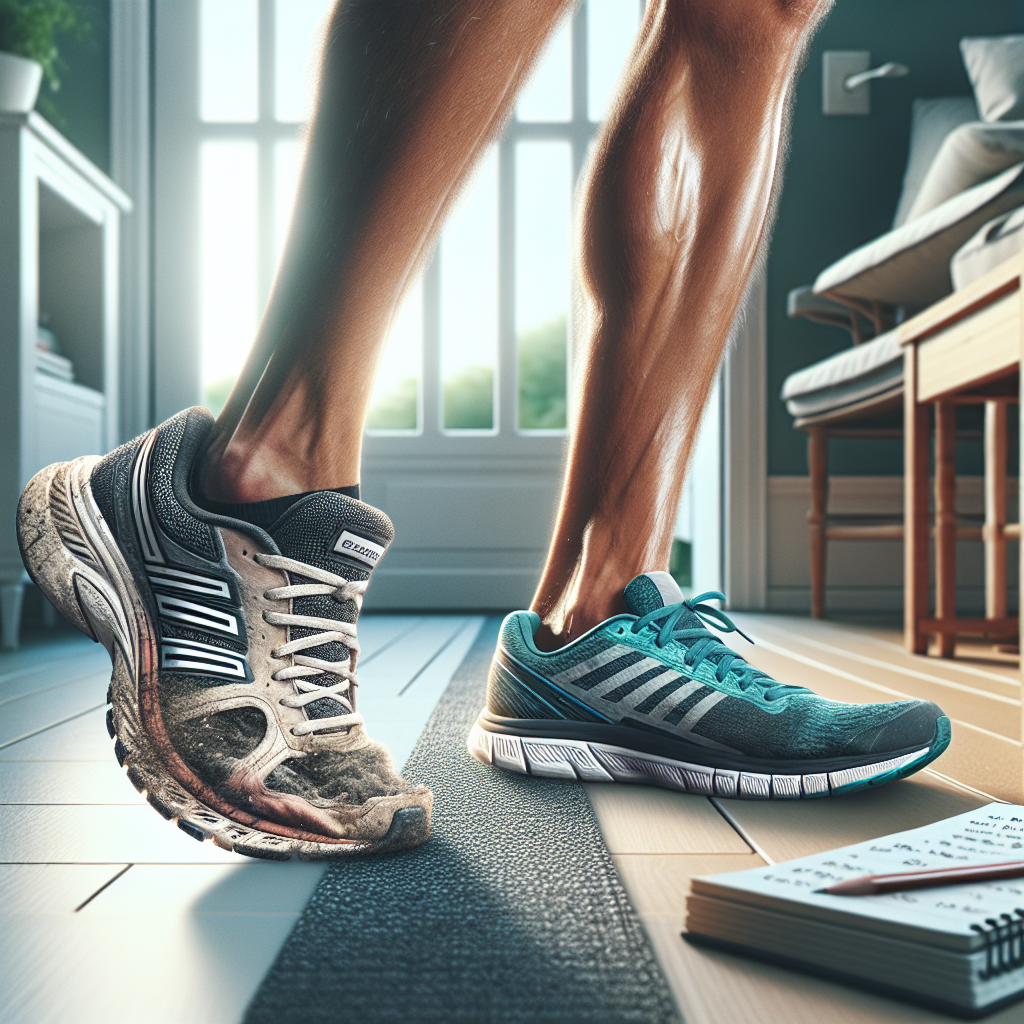
Running Shoes on Feet

If you’ve ever Googled when to replace running shoes, you’ve probably seen the same answer everywhere: every 300–500 miles. It’s tidy. It’s memorable. And it’s often wrong—at least for the way real people run on real surfaces with real body quirks and inconsistent training schedules.

Let’s talk about a better approach: how to spot your shoe’s end-of-life based on performance, comfort, and injury risk—without turning your next run into a forensic investigation.

The 300–500 Mile Rule: Useful, But Not a Verdict

The mileage guideline isn’t useless. It’s just incomplete. Shoe foam doesn’t “expire” on a schedule; it breaks down based on variables like:

  • Your size and weight (bigger runners compress midsoles faster)
  • Your stride and impact pattern (hard heel strikers usually punish foam more)
  • Where you run (rough asphalt and gravel chew up outsole rubber)
  • How you rotate shoes (foam rebounds better with rest days)
  • Heat and storage (hot cars and garages accelerate breakdown)

So yes, track mileage if you like. But if you want a replacement decision you can trust, pay attention to what your shoes are telling you.

3 Signs Your Running Shoes Are Past Their Prime

1) Your “Normal” Runs Start Feeling Weird

Not dramatic pain—just small changes you can’t ignore. Common examples:

  • Hot spots under the ball of your foot
  • Calves that feel unusually tight after an easy pace
  • Knee or hip irritation that shows up only on longer runs
  • A nagging ache that disappears when you switch to a different pair

This is often your first clue that cushioning has lost its rebound or your shoe is no longer guiding your foot the way it used to.

2) The Midsole Feels “Dead” (Even If It Looks Fine)

Modern running shoes can look presentable long after the foam has flattened. The midsole is the engine, and it can quietly lose its spring. If your shoes feel:

  • Slappy (you hear more impact than before)
  • Harsh on the same familiar routes
  • Less responsive when you pick up the pace

…you’re likely running on a midsole that has stopped doing its job.

3) You’re Wearing the Outsole in One Spot

Flip the shoe over. Outsole wear is normal—but uneven wear matters. If one edge is noticeably smoother, or you’ve burned through rubber into foam, the shoe can start encouraging compensations that your ankles, knees, and hips will feel.

A quick check: place the shoes on a flat surface and look from behind. If one shoe leans or twists more than the other, it’s a hint that the structure is no longer stable.

A Quick Home Test: The “Compare Pair” Method

Want a surprisingly reliable test without specialized tools? Compare your current shoes to either:

  • a newer version of the same model, or
  • another pair you know feels good

Put on one shoe from each pair—yes, you’ll look ridiculous—and walk around the house. If the older shoe feels lower, flatter, or less stable, that’s real information. Your body can sense small differences even when your eyes can’t.

How Long Do Running Shoes Actually Last?

Instead of one blanket number, here are more realistic ranges, assuming regular road running:

  • Lightweight trainers / racing flats: ~150–300 miles
  • Daily trainers: ~300–500 miles
  • Max-cushion shoes: ~300–600 miles (foam lasts longer for some runners, shorter for others)
  • Trail shoes: ~250–500 miles (depends heavily on terrain and outsole)

But again: the best number is the one confirmed by how you feel on the run.

The Most Common Mistake: Waiting Until They Hurt

Many runners replace shoes only when something starts barking—then they treat the new pair like a cure. Sometimes that works. Sometimes the irritation has already become a habit.

A better strategy is to replace shoes when you notice a performance drop before you’re chasing pain around your body.

How to Make Shoes Last Longer (Without Babying Them)

Rotate Two Pairs

This isn’t about being fancy. Foam recovers better with time. If you alternate two pairs, each one gets a longer “rest,” and many runners find both pairs feel better for longer.

Don’t Store Them in Heat

Leaving shoes in a hot car is like slow-cooking the midsole. Store them indoors, away from heaters and direct sun.

Keep “Running Shoes” for Running

If your trainers become your errand shoes, they’ll break down faster—and unevenly. Retire old running shoes to casual duty only after you’re truly done running in them.

So… When Should You Replace Yours?

Replace your running shoes when at least two of these are true:

  • Your easy runs feel noticeably harsher than they used to
  • You’re getting small recurring aches that vanish in a different pair
  • The outsole is unevenly worn or the shoe tilts on a flat surface
  • You’ve logged a rough mileage range for your shoe type (not a magic number)

Running shoes aren’t supposed to last forever. But you also don’t need to toss them on a timer. Pay attention to feel, watch for patterns, and replace them as soon as your shoes stop helping you do the thing you bought them for: run comfortably.
Categories: health, lifestyle Tags: Tags: , , ,

Why Your Smoothie May Be Spiking Your Blood Sugar

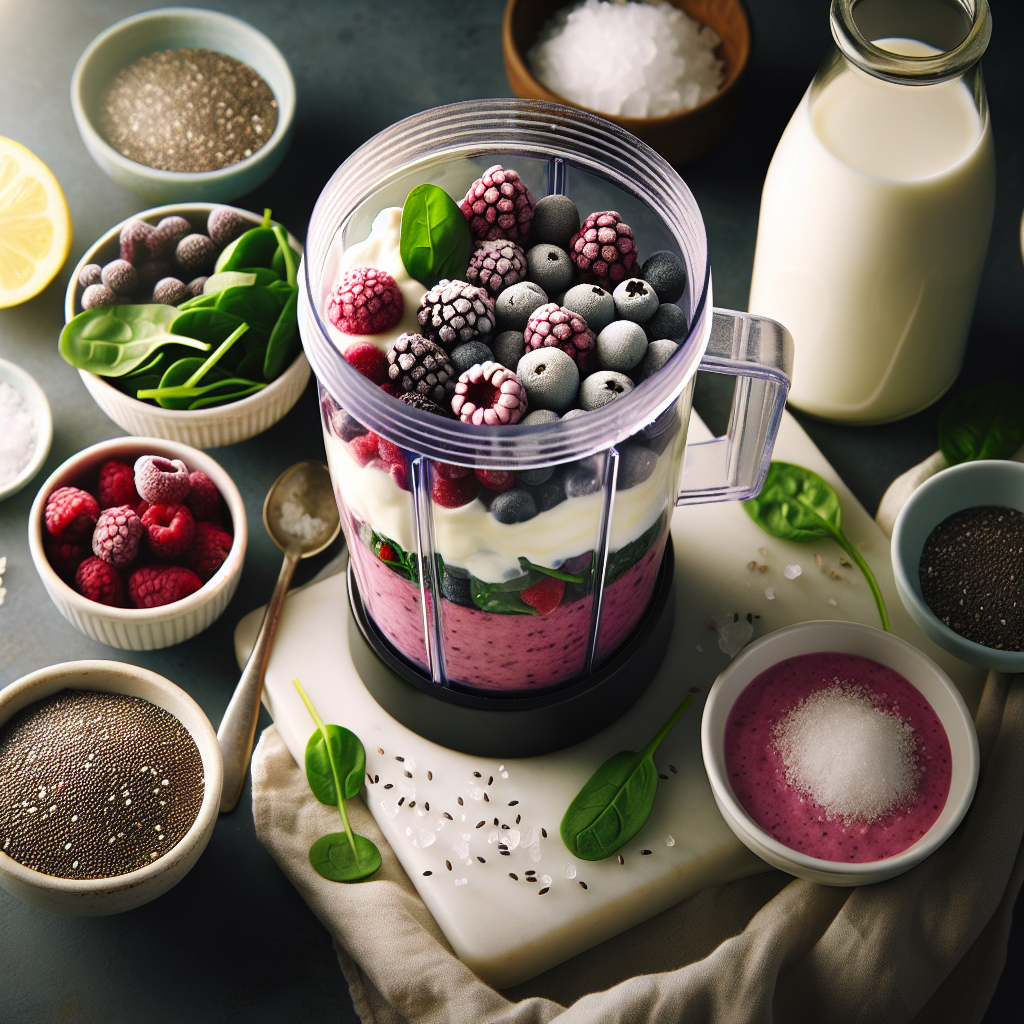
Picture of Fruits put into a Blender to make a Smoothie

Smoothies have a reputation for being the easy button of healthy eating: toss stuff in a blender, drink it, feel virtuous. But here’s the common question that keeps popping up for good reason:

Are smoothies actually healthy—or just dessert in a cup?

The honest answer: they can be either. A smoothie can be a balanced mini-meal that keeps you steady for hours, or it can hit like a sugary drink that leaves you hungry (and cranky) an hour later. The difference isn’t “smoothies are bad” or “fruit is the enemy.” It’s composition—specifically, how much sugar you’re drinking and what you pair it with.

Let’s break down what’s going on, why it matters, and how to build a smoothie that actually works for your body.

What makes a smoothie sneakily high in sugar?

A smoothie becomes sugar-heavy when it’s stacked with multiple sweet ingredients that feel healthy: fruit juice, bananas, dates, honey, flavored yogurt, granola, coconut water, even “immune-boosting” bottled smoothie bases. Each one sounds harmless. Together, they add up fast.

Common sugar stackers (even in “clean” smoothies)

  • Fruit juice (orange juice, apple juice): fast sugar with minimal fiber.
  • Multiple servings of fruit: two bananas + berries + mango is delicious… and a lot.
  • Dates, honey, agave: natural, yes—still concentrated sugar.
  • Flavored yogurt: often dessert-level sugar with a health halo.
  • Granola: easy to overdo; many brands are sugar-forward.

None of these are “forbidden.” The issue is that a smoothie is easy to drink quickly, and drinking calories (especially sugary ones) doesn’t always register as filling the way chewing does.

Smoothies and blood sugar: why the crash happens

When you blend fruit, you’re not “destroying” nutrients, but you are making the carbohydrates more quickly available. If that smoothie is mostly carbs and sugar—with little protein, fat, or fiber—you can get a rapid rise in blood glucose, followed by a dip. The dip can feel like:

  • Hunger not long after you finish
  • Energy drop or brain fog
  • Cravings for something salty or sweet
  • Irritability (the classic “why am I suddenly mad?” moment)

Again: this doesn’t mean fruit is bad. It means your smoothie needs structure.

The “balanced smoothie” formula (simple and reliable)

If you want a smoothie that feels like breakfast—not a liquid snack—aim for this framework:

1) Start with fiber-friendly fruit (and cap the portion)

Use 1 to 1.5 cups of fruit total. Berries are a reliable base because they’re flavorful without being domineeringly sweet.

Good options: blueberries, raspberries, blackberries, strawberries, cherries.

2) Add protein (the non-negotiable)

Protein is what turns “fruit drink” into “meal.” It slows digestion and supports steady energy.

Options:

  • Greek yogurt or skyr
  • Cottage cheese (sounds odd, blends surprisingly well)
  • Protein powder (choose one you tolerate and will actually use)
  • Silken tofu (neutral, creamy)

A practical target for many people: 20–30g protein in a meal smoothie.

3) Include healthy fat (for satisfaction)

Fat makes a smoothie feel complete and helps keep you full.

  • 1–2 tbsp nut butter
  • 1–2 tbsp chia seeds or ground flax
  • ¼ avocado

4) Choose a smart liquid base

Liquid calories add up fast. To avoid accidentally turning your smoothie into a sweet drink, use:

  • Unsweetened milk or soy milk (adds protein too)
  • Unsweetened almond milk
  • Water (yes, it’s fine—especially if you’re using yogurt)

If you love coconut water, treat it like a flavor enhancer, not the whole base.

Three smoothie upgrades that change everything

Freeze your fruit instead of adding juice

Frozen fruit creates that thick, milkshake-like texture people often chase with juice. You get the vibe without the sugar spike.

Use spinach for volume, not “detox points”

Spinach doesn’t magically cleanse anything, but it does add nutrients and bulk with almost no flavor. The result: a bigger smoothie that isn’t sweeter.

Add acid and salt (seriously)

A squeeze of lemon and a tiny pinch of salt can make a smoothie taste brighter and “more dessert-like” without adding sugar. It’s the same reason salted caramel works—contrast makes flavors pop.

A go-to recipe: the steady-energy berry smoothie

  • 1 cup frozen mixed berries
  • ¾ cup plain Greek yogurt
  • ¾–1 cup unsweetened milk (or soy milk)
  • 1 tbsp chia seeds
  • Handful of spinach (optional)
  • Squeeze of lemon
  • Pinch of salt

Blend until thick. If it’s too thick, splash in more liquid. If it’s too thin, add a few ice cubes or more frozen fruit.

So… should you stop drinking smoothies?

No. Just stop letting smoothies pretend they’re something they’re not.

If you want a snack, a fruit-forward smoothie is fine—just call it what it is. If you want a meal, build in protein, fiber, and fat so you don’t end up raiding the pantry at 10:30 a.m.

The best smoothie isn’t the one with the longest ingredient list. It’s the one that tastes good, fits your day, and leaves you feeling steady—not starving.

Categories: health, lifestyle Tags: Tags: , ,

Why Voice Assistant is good for your boomer lifestyle

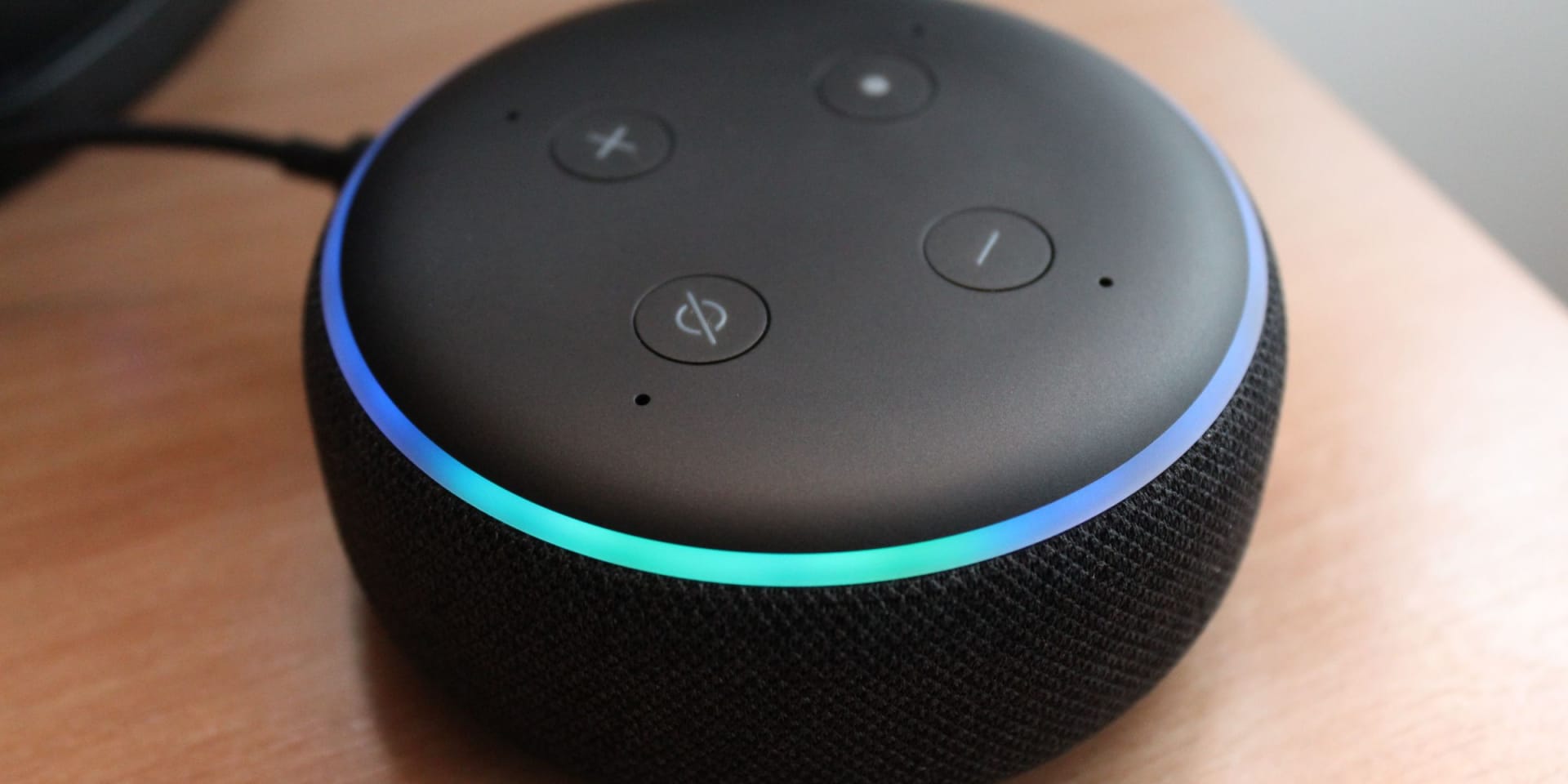
voice assistant technology

Why Voice Assistants Might Be the Best Tech Seniors Never Knew They Needed


The Problem Isn’t Tech–It’s How We Introduce It

If you’ve ever gifted your grandmother a new smartphone, only to find it weeks later still unopened in its box, you’re not alone. It’s not that seniors are anti-technology. More often, tech is anti-senior. Cluttered screens, tiny text, and ambiguous buttons make the experience frustrating before it's ever useful.

This is where voice assistants—like Amazon Alexa, Google Assistant, or Apple’s Siri—quietly enter the picture. Their interfaces aren’t tactile; they’re conversational. No swiping. No pinching. No remembering app icon locations. Just, “Hey Google, what’s the weather?” And sometimes, that simple exchange can be the beginning of real transformation.

Alexa, Remind Me Why I Came into This Room

One of the most cited frustrations among older adults is forgetfulness—names, dates, appointments, and yes, why they came into the kitchen. While that’s a normal part of aging, it can lead to anxiety or embarrassment. Voice assistants turn passive spaces into active reminders.

  • “Alexa, remind me to take my 5pm medication.”
  • “Hey Siri, what’s on my calendar this afternoon?”
  • “Hey Google, call my daughter.”

These might seem like trivial tasks to anyone under 50, but for seniors, they can mean the difference between an independent day and a confusing one.

The Unlikely Therapist: Loneliness and Humanized AI

Here’s a truth we don’t like talking about: aging can be lonely. Spouses pass, children are busy raising their own families, and friends become less accessible with time and mobility. In this silence, voice assistants can—surprisingly—become meaningful.

No, Alexa doesn't replace human connection. But the sound of a voice answering you, 24/7, is more comfort than we realize. Many older users talk to their devices throughout the day: asking questions, playing music, even joking around. There’s something uniquely grounding about being heard—and about hearing back.

Smart Homes, Smarter Living

Let’s talk safety. Falls remain one of the largest risks for seniors living alone. Walking across a dark room to flip a light switch isn’t just inconvenient; it can be dangerous. But voice-enabled lights, thermostats, and appliances allow control without movement.

A few life-changing examples:

  • “Alexa, turn on the hallway light.”
  • “Google, lock the front door.”
  • “Siri, is the oven still on?”

These aren't just cool features. They're proactive safety tools that give seniors more control, without sacrificing their independence.

Not Just for the Tech Savvy

The irony? Once installed and set up, voice assistants are possibly easier to use than a television remote. Seniors don’t need to remember channels, menus, or volume buttons. They just ask, and things happen. This low barrier to re-entry is also great for those who might have memory conditions, arthritis, or vision impairment.

And installation doesn't need to be a solo job—many public libraries, community centers, and local charities now offer workshops for older adults to learn these tools hands-on.

So… What’s the Catch?

Privacy. That’s the elephant in the room. All smart speakers are constantly listening for their ‘wake word’, and that makes some seniors—rightfully—uneasy. The key is transparency. Make sure privacy settings are reviewed together, voice history is managed regularly, and devices are muted when not in use.

Like any tool, the value of voice assistants for seniors comes down to intention and oversight.

Final Thought: Simplicity Isn't a Step Back

We often make the mistake of thinking technology needs to evolve upward—faster, newer, flashier. But for seniors, “better” can mean “simpler.” Voice assistants are proof that when tech meets users where they are—namely, in a quiet living room with tired hands—it can finally succeed.

Maybe it’s time we realized that the best innovations aren’t the ones we chase, but the ones that simply listen.

Categories: communication, lifestyle Tags: Tags: , , ,